
Virtual EMDR Therapy
EMDR: Sounds Weird, Works Great
Process trauma without rehashing every painful detail. EMDR helps your brain do what it couldn't do before—actually move on. Virtual sessions for Massachusetts, Vermont & Pennsylvania.
Request an AppointmentEMDR Might Help If You're Dealing With:
- Trauma or PTSD—from accidents, assault, childhood stuff, or other events
- Anxiety that feels stuck, even after trying other approaches
- Intrusive memories or flashbacks that won't quit
- Phobias or fears that limit your life
- Grief that feels frozen or overwhelming
- That thing you can't stop thinking about, no matter how hard you try
You don't have to keep carrying this. EMDR helps your brain process what it couldn't process before—so you can finally move forward instead of staying stuck.
What Changes
After EMDR treatment, clients typically experience:
Memories Lose Their Charge
The event is still a memory, but it stops triggering the same intense emotional or physical response.
Reduced Anxiety
That constant hypervigilance and worry that trauma creates? It starts to settle.
Better Sleep
Nightmares decrease. You can actually rest without being haunted by the past.
More Present
You stop living in the past or bracing for the future. You're actually here.
Restored Confidence
Negative beliefs about yourself ('I'm not safe,' 'It was my fault') shift to healthier perspectives.
Freedom
You're no longer controlled by what happened. You get to choose how to respond.
How Sessions Work
Secure Virtual Sessions
EMDR works great over video. You're in your own safe space, which often makes processing easier.
60-Minute Sessions
We start with prep and history, then move into processing. Typically 8-10 sessions for significant improvement.
Your Brain Does the Work
EMDR activates your brain's natural healing process. I guide you; your mind does the heavy lifting.
Getting Started
Request an Appointment
We'll talk about what you're experiencing and whether EMDR is the right fit. No pressure—just an honest conversation.
Preparation Sessions
We'll build coping skills and create a safe foundation before any processing. You'll never be pushed faster than you're ready.
Processing & Healing
We work through target memories at your pace. Most clients notice shifts within the first few processing sessions.
Questions People Actually Ask
What is EMDR therapy?
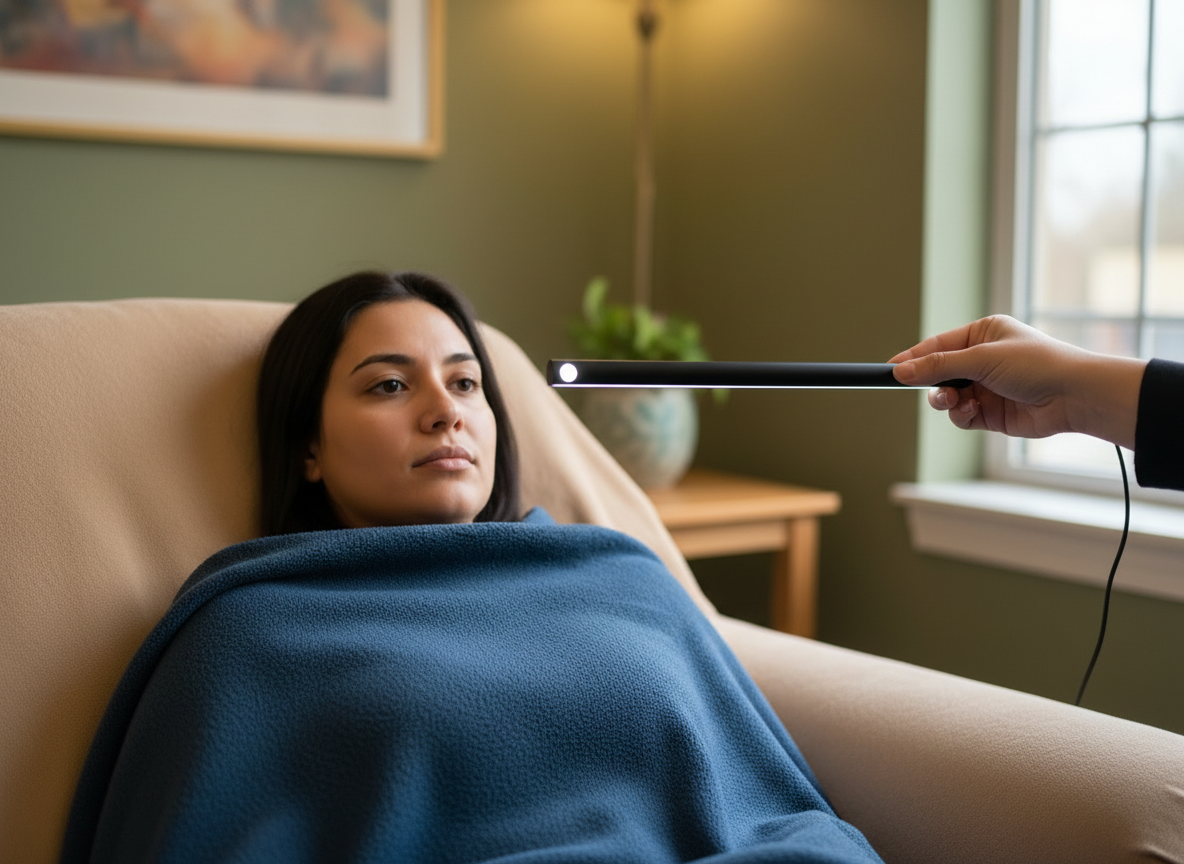
EMDR (Eye Movement Desensitization and Reprocessing) helps your brain process traumatic or distressing memories. Using bilateral stimulation—usually eye movements—we help "unstick" memories that keep triggering you, so your brain can finally file them away properly.
Does virtual EMDR work as well as in-person?
Yep. Research backs it up, and honestly, a lot of clients prefer it. You're in your own safe space, which can actually make processing easier. I use secure video with specialized tools for the bilateral stimulation piece.
How many EMDR sessions will I need?
Most people see significant improvement in 8-10 sessions. Some issues resolve faster, complex trauma takes longer. We'll track progress together and adjust as needed.
Is EMDR covered by insurance?
Usually, yes — in Massachusetts I accept Blue Cross, Harvard Pilgrim, Aetna, Tufts, Point 32, Cigna Optum, and United Health. Self-pay is also available. Check the pricing page for full details by state.
Will I have to talk about my trauma in detail?
Nope. Unlike traditional talk therapy, EMDR doesn't require you to describe traumatic events blow-by-blow. You stay in control of what you share. The processing happens internally—I just guide the process.
What does EMDR feel like?
Most people describe it as intense but manageable. You might notice emotions, body sensations, or memories surfacing during processing. Afterward, clients often feel lighter—like something finally shifted. We always go at your pace.
Ready to Finally Process This Stuff?
You don't have to stay stuck in the past. EMDR can help you move forward.
Request an Appointment